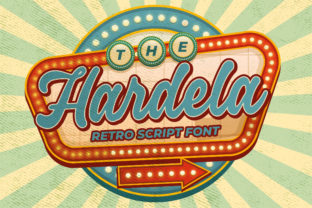
Hardela: The Vintage Script Font for Designers
Few things in graphic design command attention quite like a well-chosen script font, and Hardela is one of those rare typographic gems that instantly transforms ordinary layouts into something memorable. Its flowing letterforms and distinctive vintage character bring warmth and personality to projects that might otherwise feel sterile or forgettable.
What Makes Hardela Stand Out in Visual Design
At its core, Hardela is a beautifully crafted script typeface with a personality that feels both nostalgic and fresh. The font carries an inherent hand-lettered quality that mimics the imperfections and charm of traditional sign painting, making it an excellent choice for designers who want to inject authenticity into their work. Unlike generic script fonts that can feel overly polished or mass-produced, Hardela retains a raw, artisanal edge.
From a visual design standpoint, the font's varying stroke weights and organic curves create a natural rhythm that guides the eye across the page. This quality makes it particularly effective for establishing visual hierarchy in layouts where a headline or focal point needs to feel distinctive without overwhelming supporting elements.
Practical Applications Across Creative Projects
Understanding where and how to deploy a font like Hardela separates amateur designers from seasoned professionals. Its versatility extends across multiple disciplines, and knowing its strengths helps you make smarter design decisions.
Branding and Logo Design
In brand identity work, typography carries immense weight. A logo built with Hardela immediately communicates craftsmanship, heritage, and approachability. Boutique businesses, artisanal food brands, wedding photographers, and lifestyle coaches often benefit from this aesthetic because it signals personality before the audience reads a single word. When paired with a clean sans-serif secondary typeface, the contrast reinforces a modern aesthetic that still honors traditional roots.
Packaging and Print Design
Packaging design thrives on emotional connection, and script fonts excel at creating tactile, human-centric experiences. Hardela shines on labels for wine bottles, specialty coffee bags, handmade soap wrappers, and craft product boxes. In print design more broadly, the font elevates business cards, invitations, lookbooks, and editorial spreads where a touch of elegance matters.
Social Media Graphics and Digital Marketing
Scrolling through social media graphics, users make split-second decisions about what to engage with. A caption overlaid in Hardela on an Instagram post or Pinterest pin adds an immediate layer of sophistication. For digital marketing campaigns targeting audiences that value authenticity, this font helps bridge the gap between polished corporate messaging and genuine human expression.
Web Design and UI Considerations
While script fonts require careful handling in web design and UI design, Hardela performs beautifully when used purposefully. It works best as a display typeface for hero sections, pull quotes, or accent headings rather than body copy. The key is restraint. Pairing it with generous whitespace and limiting its use to one or two elements per page preserves readability while maximizing visual impact.
Tips for Using Hardela Effectively
Every design choice should serve a strategic purpose. Here are practical guidelines for integrating this script font into your workflow:
- Prioritize readability: Reserve Hardela for larger text sizes where its details remain legible. Avoid setting lengthy paragraphs in script typefaces.
- Build contrast: Pair the font with neutral sans-serif or serif typefaces to create balance. The juxtaposition amplifies both styles.
- Mind your color palette: Vintage-inspired fonts often pair beautifully with muted, earthy tones or rich jewel colors. Test combinations that reinforce your brand's emotional tone.
- Respect spacing: Give Hardela room to breathe. Tight margins or crowded compositions diminish its graceful qualities.
- Test across devices: In UX design contexts, verify that the font renders cleanly on various screen sizes and browsers.
How Typography Shapes Brand Perception
Typography is not merely decorative. It is a functional tool that shapes how audiences perceive credibility, quality, and emotional tone. In branding and visual communication, font choices influence trust, recall, and engagement. A script font like Hardela tells a story before the viewer processes the actual words. It suggests care, tradition, and a human touch, which can differentiate a brand in crowded markets where competitors rely on sterile, interchangeable visuals.
When integrated into a cohesive design system, Hardela contributes to a unified brand language. Whether appearing on merchandise, digital products, or editorial design layouts, consistent typographic choices strengthen recognition over time.
Design Trends and Timeless Appeal
Current design trends increasingly favor authenticity, nostalgia, and personality-driven visuals. The resurgence of vintage typography reflects a broader cultural shift toward valuing craftsmanship in a digital age. However, the best creative assets transcend fleeting trends. Hardela occupies a sweet spot where its retro charm feels relevant today without becoming dated tomorrow. This timelessness makes it a valuable addition to any designer's toolkit.
For creative projects spanning advertising campaigns, presentations, and beyond, the font adapts to diverse contexts while maintaining its core identity. That flexibility, combined with its unmistakable character, explains why thoughtful designers continue reaching for distinctive script typefaces in their work.
Great design communicates clearly and connects emotionally. The tools you choose, including typography, color, composition, and imagery, should all serve those twin goals. By selecting fonts with care and applying them with intention, you elevate not just the aesthetics of a project but its ability to resonate. Hardela represents one of those choices that, when used wisely, brings both beauty and meaning to the visual stories you tell.