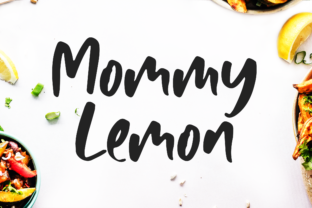
Why Mommy Lemon Is the Script Creators Keep Coming Back To
You see it on a hand-lettered mug, a party banner, or a cozy blog header — that effortlessly warm, slightly playful look that feels like someone actually took the time to make something special. More often than not, the secret ingredient is a font like Mommy Lemon. It’s a cute and friendly script that does more than just spell words; it shifts the mood of an entire project. For makers, small business owners, and everyday creators, it becomes a quiet workhorse behind countless personal and commercial pieces because it translates effort into a result that feels both polished and personal.
What Mommy Lemon Actually Is (and What It Isn’t)
At its core, Mommy Lemon is a whimsical hand-drawn script. The strokes have a natural bounce, and the letterforms carry slight inconsistencies — not flaws, but the kind of organic variation you get from a real brush pen. Unlike more rigid typefaces that demand precise layout skills, this script works with you. It masks small imperfections in spacing or alignment because the uneven baseline and varied letter heights already look intentional.
Beyond a font, think of it as a design shortcut. It adds texture and personality without requiring calligraphy lessons or illustration skills. That’s why you’ll spot it on everything from wedding signage to digital planners. The name itself reflects its identity: approachable, nurturing, and just a little bit nostalgic.
Where the Script Shows Up Every Day
Most users don’t work in design studios. They’re slicing vinyl decals at the kitchen table, formatting a PDF for their first online course, or mocking up a logo for a side hustle. Mommy Lemon fits into those real-life creative moments because it’s forgiving and joyful. It’s rarely the center of attention — instead, it supports the primary message. A simple “thank you” tag becomes a small gift in itself. A pricing list hung in a bakery window feels less transactional and more welcoming. That shift is subtle, but it’s what people remember.
- Handmade markets: Price tags, booth signs, product care cards.
- Home organization: Pantry labels, chore charts, kids’ name decals.
- Event stationery: Place cards, favors, welcome signs, menus.
- Digital content: Quote graphics, video thumbnails, Pinterest pins.
When the Charm Works Harder Than You’d Expect
Most people reach for Mommy Lemon when they need a specific emotional response. It’s not the right tool for a corporate annual report, but it’s exactly what you want when you’re trying to make a brand feel like a person. A lactation consultant revamping her website doesn’t need sterile professionalism — she needs warmth, trust, and a tone that says “I’ve been there.” A preschool teacher crafting a classroom newsletter wants parents to feel welcomed, not overwhelmed by dense blocks of text. In those scenarios, the script isn’t decoration; it’s a communication tool.
The Birthday Party That Actually Felt Cohesive
Picture a mom planning her daughter’s third birthday. She has a tight budget, a Cricut, and a vague vision of a lemonade-themed party. She downloads Mommy Lemon and uses it across every printed item: the invitation, the favor tags, the banner letters, the cupcake toppers. Nothing is store-bought, yet everything looks intentionally matched. The script becomes the glue that ties mismatched components together. Months later, friends ask where she ordered the decorations. That’s the moment the font stops being a digital file and starts being a practical resource she’ll reuse.
The Tiny Brand That Needed a Big Personality
Consider a solopreneur running a micro-bakery from a rented commercial kitchen. She sells mostly through Instagram and farmers’ markets. Her product photos are stunning, but her logo — something she threw together in a free app — doesn’t match the care she puts into sourdough loaves and seasonal tarts. She starts using Mommy Lemon for her business name, flavor labels, and cookie packaging stamps. The script doesn’t scream “professional bakery”; it whispers “made by someone who loves this.” For her customer base, that’s far more valuable. It’s an identity that scales with her: easy to apply to a new weekly menu, a holiday box, or a simple email header.
Who Gets the Most Out of It
Mommy Lemon attracts a broad range of users precisely because it doesn’t lean too heavily into one niche. Teachers use it for bulletin boards and take-home notes. Bloggers weave it into their Pinterest templates to stand out in a crowded feed. Crafters who sell digital cut files on Etsy rely on it to give their designs that “handmade but high-end” appearance. Even freelancers — virtual assistants who create social media collateral, for example — keep it in their toolkit as a safe, crowd-pleasing choice when a client wants something friendly but not childish.
What ties these users together isn’t their profession; it’s the need for a script that doesn’t make their work look like a template. Mommy Lemon carries an imperfection that reads as effort. In a world of polished, minimalist brands, that effort stands out.
Before You Download or Purchase
Not every script font works the same across all software and materials. Taking a few minutes to verify compatibility saves frustration later — especially when you’re working toward a deadline or preparing items for a paying customer.
- Check the license carefully. Some versions of Mommy Lemon are free for personal use only. If you plan to sell items with the font — whether physical stickers, digital printables, or branded merchandise — you’ll want a commercial license. Read the terms before integrating it into client work or product lines.
- Know your software limitations. Many script fonts include ligatures, alternate characters, or swashes that add realism. However, not all design programs (especially basic freeware or Cricut’s Design Space) automatically access those special glyphs. You may need a secondary program or a simple workaround to access the full character set.
- Test at real size. That lowercase “e” might look adorable on screen but become an illegible smudge when cut at a quarter inch on vinyl. Print a sample or do a test cut before committing to 50 favor tags.
- Consider your overall pairing. Mommy Lemon is a star, but it needs supporting players. A clean sans-serif or a simple serif for body copy prevents visual overload. Too many ornate elements, and your project tips from charming into chaotic.
- Think about reading distance. For things like wall signs or event backdrops, the script’s thin upstrokes may disappear from across the room. Increase the font size or slightly thicken the outline if you need visibility from a distance.
Real Outcomes You Can Actually Predict
Users consistently point to a few tangible effects after working with this script. First, projects feel more complete without adding extra design hours. Second, audiences perceive more effort and care than you actually put in — a bonus when juggling multiple responsibilities. Third, the font’s cohesive look across different items (a sticker, a sign, a social post) creates a mini brand within a home or cause. That’s particularly valuable if you’re fundraising, launching a community event, or building recognition for a blog series.
There’s also a practical side that doesn’t get talked about enough: Mommy Lemon reduces the number of typography decisions you have to make. When you already know one typeface that works on a candle label, a website header, and a PDF worksheet, you stop hunting through menus and start making things. For someone who’d rather spend time on the actual craft than on font selection, that’s a genuine productivity lift.
Why It Keeps Showing Up in Unexpected Places
You might assume a script this distinctive would feel limited, but people find ways to adapt it. A financial coach uses it for the titles in her budget tracker printables — the softness counterbalances the spreadsheet vibe. A dental office receptionist prints kid-friendly appointment reminders with the child’s name in Mommy Lemon, turning an administrative task into a tiny moment of delight. A content creator adds it to her YouTube end screens, so her “subscribe” button feels less demanding.
The thread running through all these uses is a desire for connection. Mommy Lemon doesn’t make anything look serious. It makes things look human. In environments where people often feel like a number, that personal touch matters more than we give it credit for.
Making It Part of Your Own Workflow
Rather than treating it as a special-occasion font only pulled out for parties, consider integrating it into your regular rotation. If you run a blog, use it consistently for pull quotes or post titles. If you sell a physical product, add a small handwritten-style note — even just “enjoy” — to your packaging. The repetition builds subtle recognition. Customers won’t know the font name, but they’ll associate that familiar, friendly script with your voice.
For educators and workshop leaders, create a reusable template library with Mommy Lemon headers. After the initial time investment, you can drop new content into the same structure and maintain a consistent visual language throughout a semester, conference, or camp session. Learners notice that stability, even if only subconsciously.
When It Might Not Be the Right Fit
No single tool serves every purpose, and Mommy Lemon is no exception. It struggles in long paragraphs — the readability plummets after a few sentences. It won’t convey authority for legal documents, formal reports, or technical manuals. If your audience expects a sleek, modern aesthetic (think tech startups or minimalist fashion), the script may clash. However, in most everyday scenarios where warmth and approachability matter, it’s an asset. Knowing its limits makes you a more thoughtful user, not a less creative one.
Also consider cultural context. A curly, friendly script might not translate the same way in every language or region. Test it with your specific text, especially if you’re designing bilingual materials or selling globally. What feels cute in one alphabet could feel messy or unprofessional in another.
Moving Forward With Intention
Mommy Lemon doesn’t promise to transform your business or make you a professional designer overnight. What it does is simpler and far more useful: it gives you a reliable, emotionally resonant starting point. When you’re tired, behind schedule, or out of creative steam, something as small as a trustworthy script can lower the barrier to hitting publish, shipping the order, or hanging the sign. That’s not hype. That’s how people actually use resources — piece by piece, project by project, until they can’t quite remember how they got by without them.